Home Appliance

The laser marks data plates, logos and graduated scales on stainless steel, aluminium and plastics with repeatability suited to the high volumes and production rates of the sector. Compared to pad printing and labelling, the result is permanent, resistant to detergents and thermal cycles, with no consumables.

Laser Marking of Knobs for Household Appliances: RotoKnob

The marking of knobs (knobs) for ovens, cooktops, and washing machines presents a crucial challenge. These components require precise laser markings on both the side surface (temperature indicators, programs, levels) and the top (function symbols, reference lines)

Read more

UV Laser Marking in the Home Appliance Sector: Innovation for Fridge Drawers

In the household appliance sector, the marking of components intended for food contact is undergoing a profound technological revolution. Food safety regulations are becoming increasingly stringent, pushing manufacturers away from traditional techniques such as screen printing, which poses significant risks of ink and solvent migration, as well as problems with durability and resistance to chemicals.

Read more

3D Laser Marking: How It Works

One of the crucial aspects in the manipulation of a laser beam is the control of the focus point. This control can be achieved through the use of different optical lenses, allowing the beam to be tailored to the specific needs of their applications.

Read more

Laser marking on furnaces

In today’s competitive market, it is important for furnace manufacturers to stand out from the crowd. By implementing laser marking technology, they can create unique, customized designs that will set them apart from the competition. In addition, marking is a solution that saves time and money in the long run.

Read more

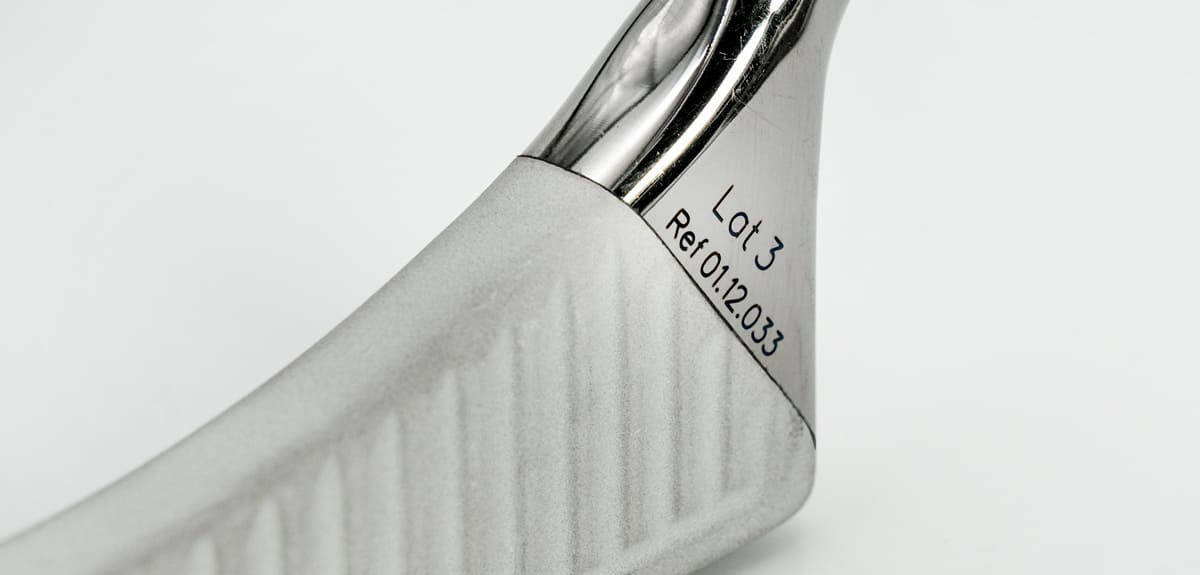
Picosecond laser: the best fiber for glare-free markings

In the case of medical device manufacturers, The picosecond laser ensures reflection-free black marking and resistance to citric and nitric passivation cycles (a conventional fiber laser would fail the second test). In the case of Cooking components, picosecond laser marking withstands chemical and abrasion tests perfectly.

Read more