
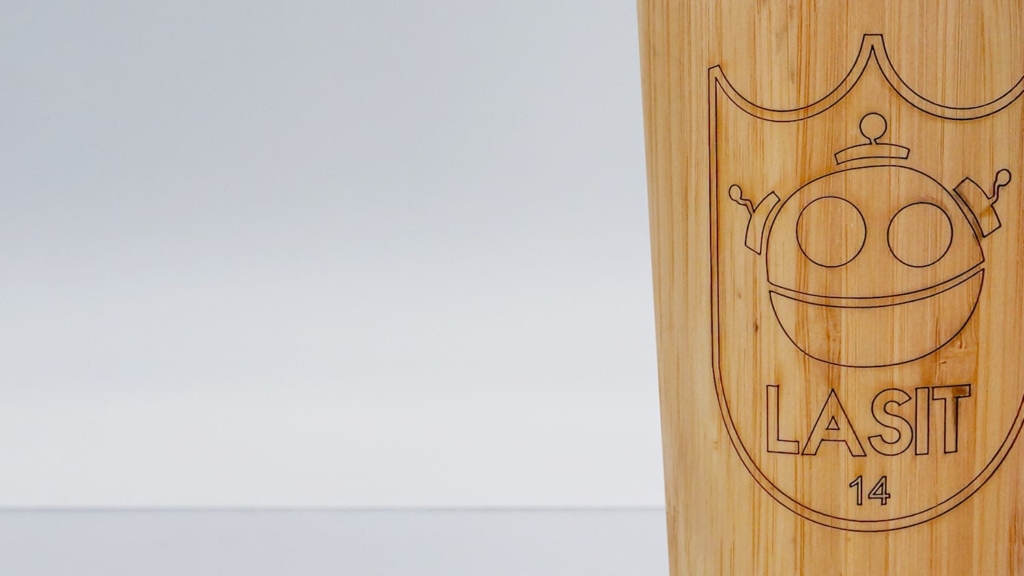
Laser marking processes on wood
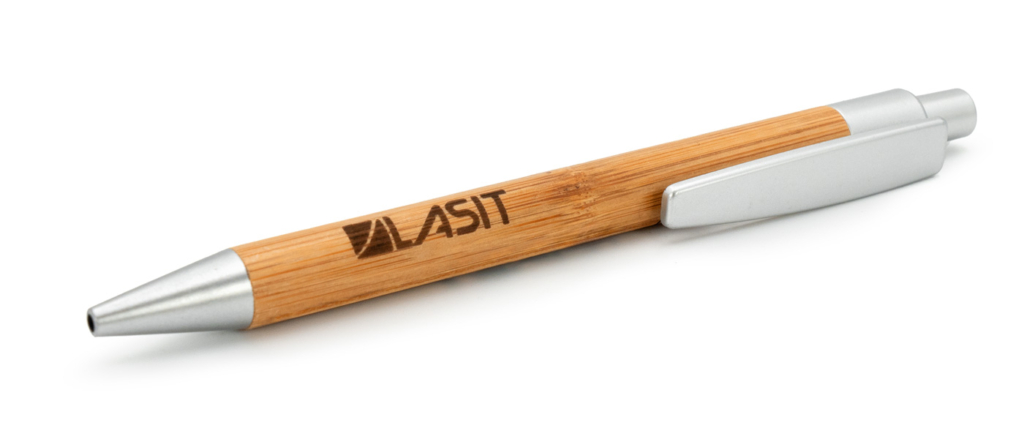
Laser marking on wood exploits the concentrated power of a laser beam to engrave or mark the surface of the wood. This process takes place through the absorption of laser light by the material, which generates enough heat to alter its surface. The three main methods of laser marking on wood are engraving, ablation and carbonization.
Engraving
Ablation
Carbonization
Other organic material applications
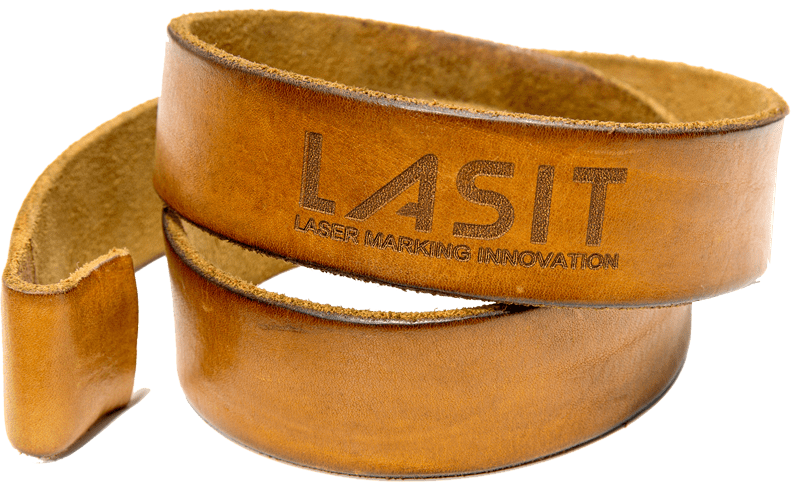
In addition to wood and bamboo, which are certainly the most common, the CO2 marking laser is also optimal for engraving leather and fabrics. It can create geometries, logos, and complex designs with very high precision. The engraving in this case is done by burning and the edges can also be cut at the end of the process. In this case, the laser finds space in the world of Fashion and Furniture.
The CO2 laser
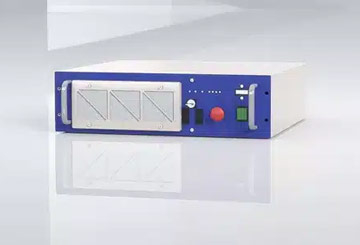
The CO2 laser is used for applications such as
Barcodes
Serial numbers
Company logos
Decorative details
Laser CO2
Advantages of Laser Marking on Wood
Extreme precision
Laser marking offers microscopic precision, allowing the creation of intricate details and very small texts.
Material versatility
Laser technology can be applied to a wide range of wood types, from hardwoods to softwoods, without compromising the quality of the marking.
Durability
Laser markings are resistant to wear and weather, guaranteeing durability over time.
Eco-compatibility
Eco-compatibility: This process is environmentally friendly as it does not require the use of chemicals or inks.
Fast and efficient production
Fast and efficient production: Laser marking is a quick process that allows mass production without compromising quality.