Advantages of Laser Marking for Plastic Moulding
High precision
Permanence
Versatility
Cost reduction
Efficiency
Design flexibility
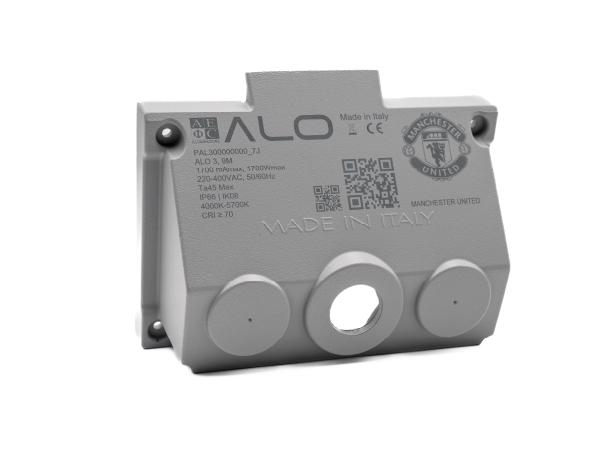
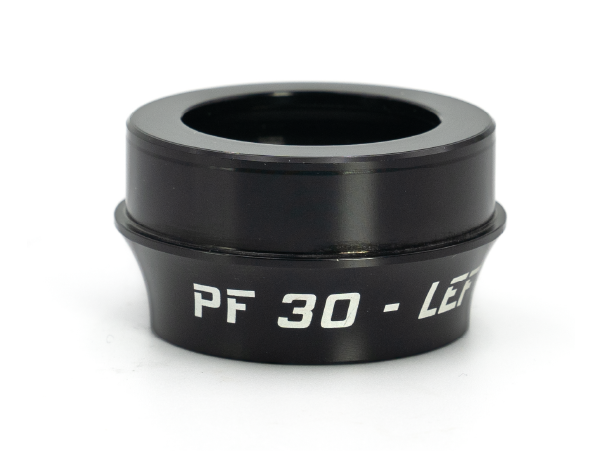
Laser Marking Applications for plastic moulding
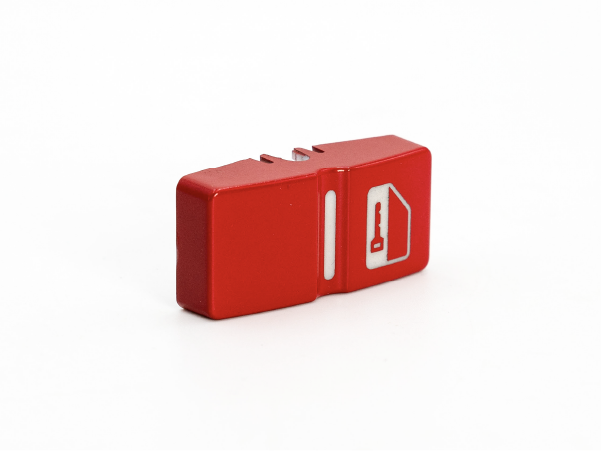
Automotive
Electronics
Medical industry
Medical
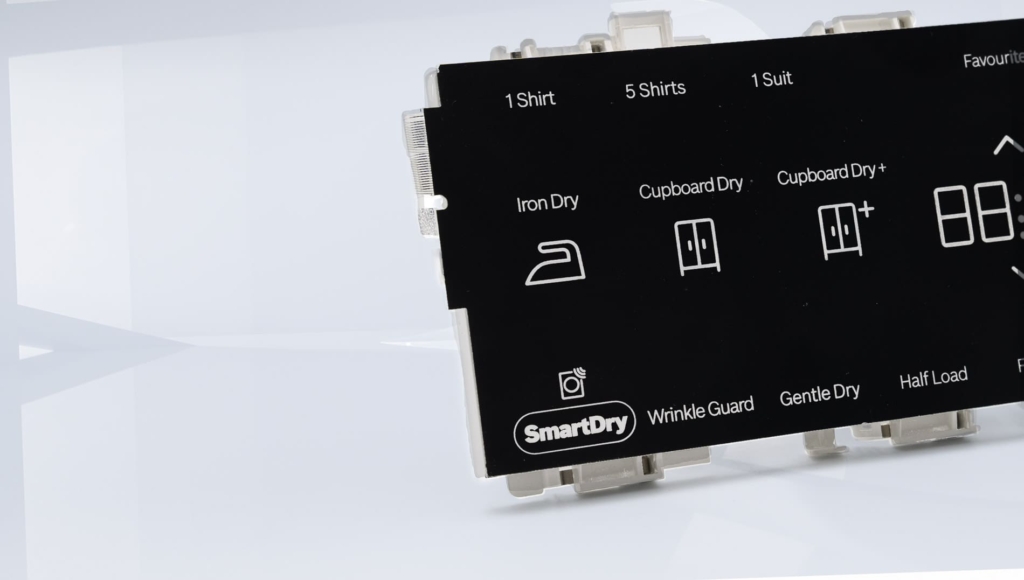
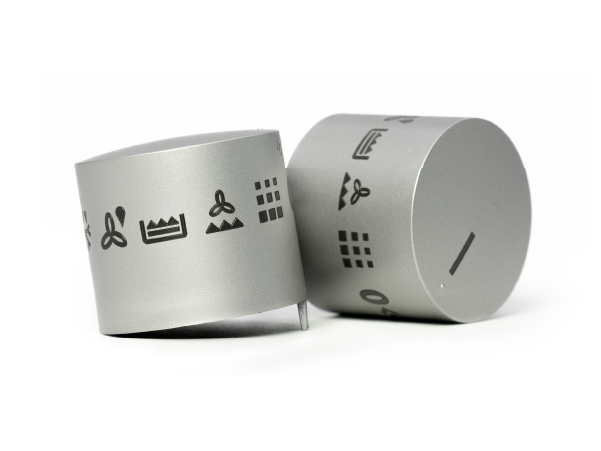
Home appliance
LASIT specialises in laser marking of plastics, with different laser sources and parameters long studied and optimised to guarantee an excellent result.
In addition to laser sources, LASIT has developed several automatic laser systems for marking plastics that simplify the production line and increase the efficiency of the customer’s production. In this way, we are always able to guarantee the best result both mechanically and software even where production lines are more complex.
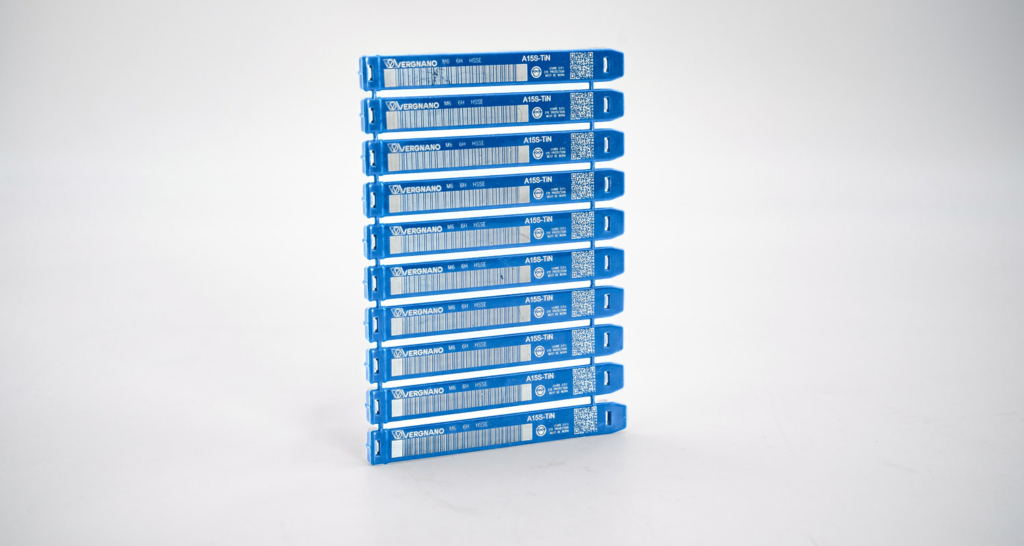
Which lasers are best for marking moulded plastic components?
There are different lasers for marking plastics and the choice of one or the other depends very much on the effect we want to achieve on the component and the desired performance.
The conventional fibre laser Fiberfly marks on 80% of plastics, but if we want to achieve burn-free marking, the ideal is to choose its variable pulse version, the MOPA laser.
The Flypeak laser (green laser) is the ideal laser for paint removal, especially with Day&Night applications. This laser combines high peak power with a much shorter pulse duration than other lasers, while maintaining the same average power. The effect will be hyper-precise marking, without any micro-burns or smears.
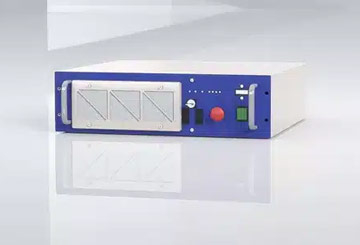
FiberFly
FlyMOPA
FlyPeak
FlyUV