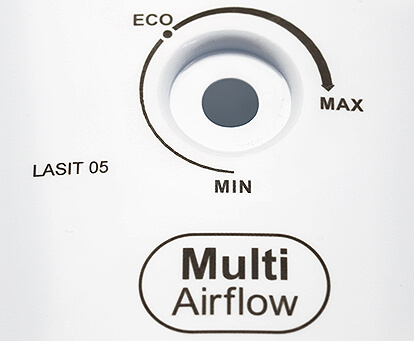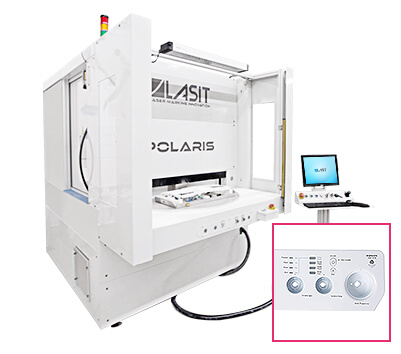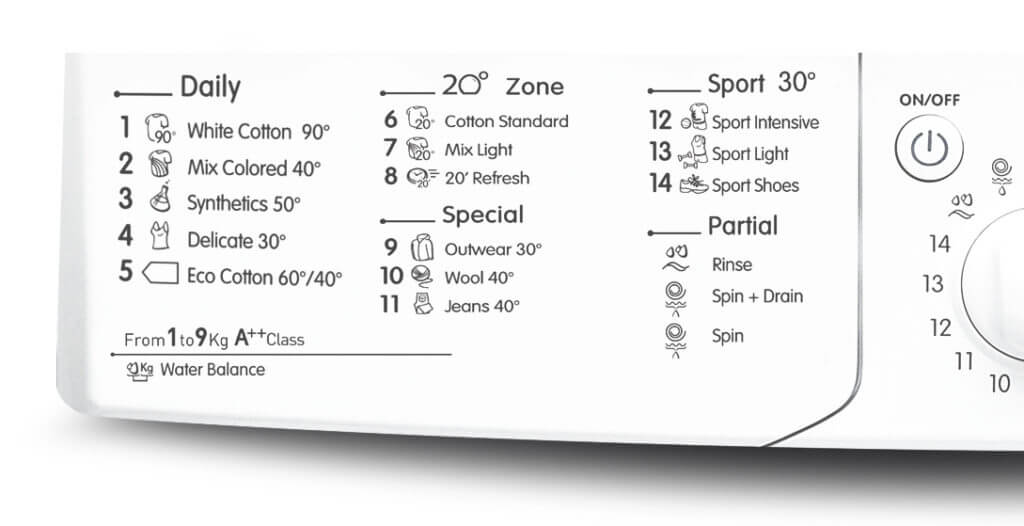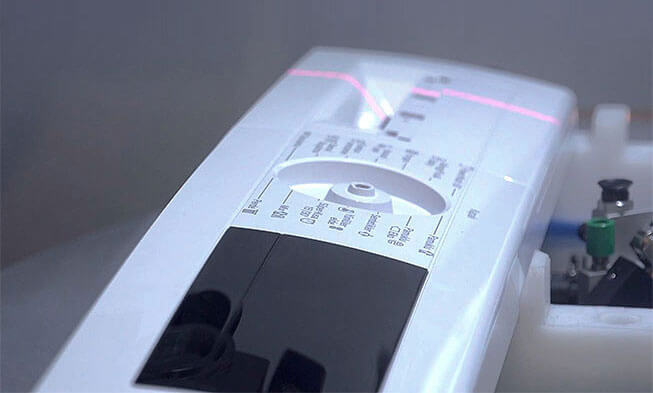
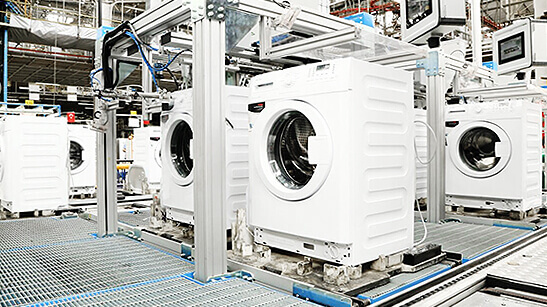
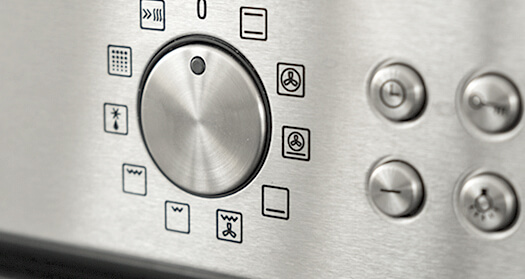
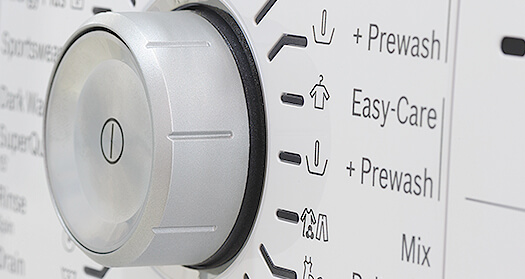
The home appliances industry produces a wide variety of products that have irregularly shaped parts with complex and large geometries. For this reason, it is challenging to build versatile systems and develop the technologies needed to mark them.
Laser marking is mainly required in the white goods and culinary industry. The main purpose is traceability or brand visibility.


Benefits over pad printing

Ecology:
Laser is the best choice for marking home appliances in terms of environmental safety. Since lasers are a DPM (Direct Part Marking) technology, we don’t need to add paper or plastic components to our products. Zero waste means fewer chemicals and hazardous substances in the environment

Custom software
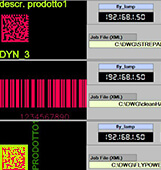
Laser marking on home appliances lets you manage changing data via software that automatically generates serial numbers and sequences with the utmost flexibility in changing graphics.

Savings:
Pad printing paints are a major consumable and waste materials must be disposed of. For a high productivity chain, this means very high costs. A UV laser: with its 25,000 hours of operation without maintenance prevents this problem.

Durability:
When printed information and labels are damaged, codes and text can become unreadable. This is a problem when it comes to productivity and company image. Laser marking is permanent and can withstand the test of time.
Picosecond Laser Marker
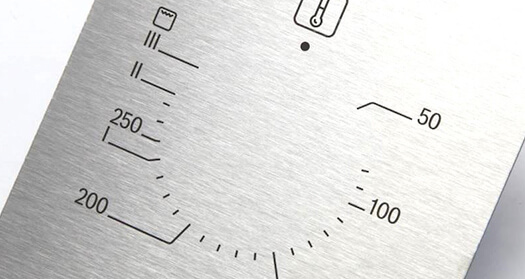
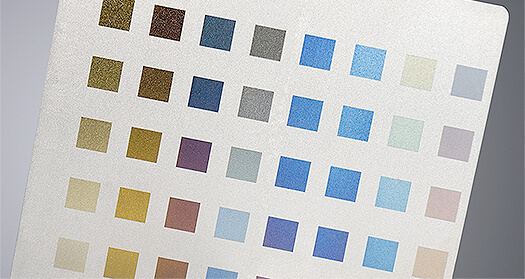
The way laser marking looks is fundamental, especially in culinary applications and on home appliances, requiring a laser that produces a high-contrast black. The Picosecond laser — a fiber laser with very short pulses — works best for the most beautiful results, producing a fine, annealing effect. LASIT was one of the first companies to experiment with this technology. The Picosecond laser has been in our laser test laboratory for quite some time. We perform accurate testing for every innovation and potential application. Through careful analysis and parameter correction, we have identified the benefits of this laser marker for marking home appliances.
Benefits of picosecond laser marker
The most significant benefits are:
- Fine black marking
- High contrast
- 3 times faster than a traditional fiber laser
- Exceptional finishing


With an ultra-short pulse, the picosecond laser can mark materials that infrared nanosecond lasers can’t — for example, micromachining of glass.
Its almost cold ablation also makes it suitable for a wide range of materials and applications, virtually eliminating heat transmission on components.
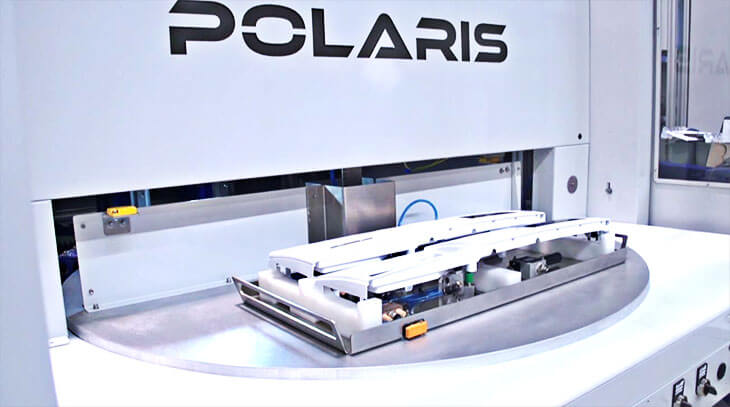
The POLARIS Project
Our operational model involves continuous study and research, which allows us to develop customized, concrete solutions for our customers, as in the case of the POLARIS project.
The home appliances industry produces a wide variety of products that have irregularly shaped parts with complex and large geometries. This makes it difficult to build versatile systems and develop the technologies needed to mark them.
LASIT began the POLARIS project by carefully studying the industry’s needs and then developing a line of laser markers to address the main problems.

Marking contrast
LASIT chose to use a UV laser for marking this type of plastic . The Fly UV laser marker produces high-contrast laser markings on very delicate materials. Fly UV colors the surface of the product using a photochemical process. The heat produced during the marking process is low enough that it does not damage the component.


Parts & Components with Irregular Surfaces
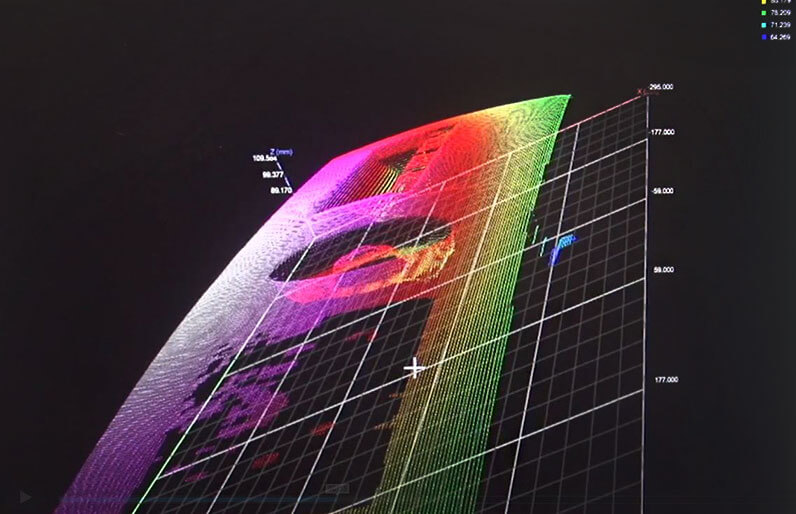
- A 3D scanner automatically detects the geometry of the part
- LASIT FlyCAD software with a complex algorithm that lets you process the 3D file detected
- The three-axis head automatically adjusts the focal distance